

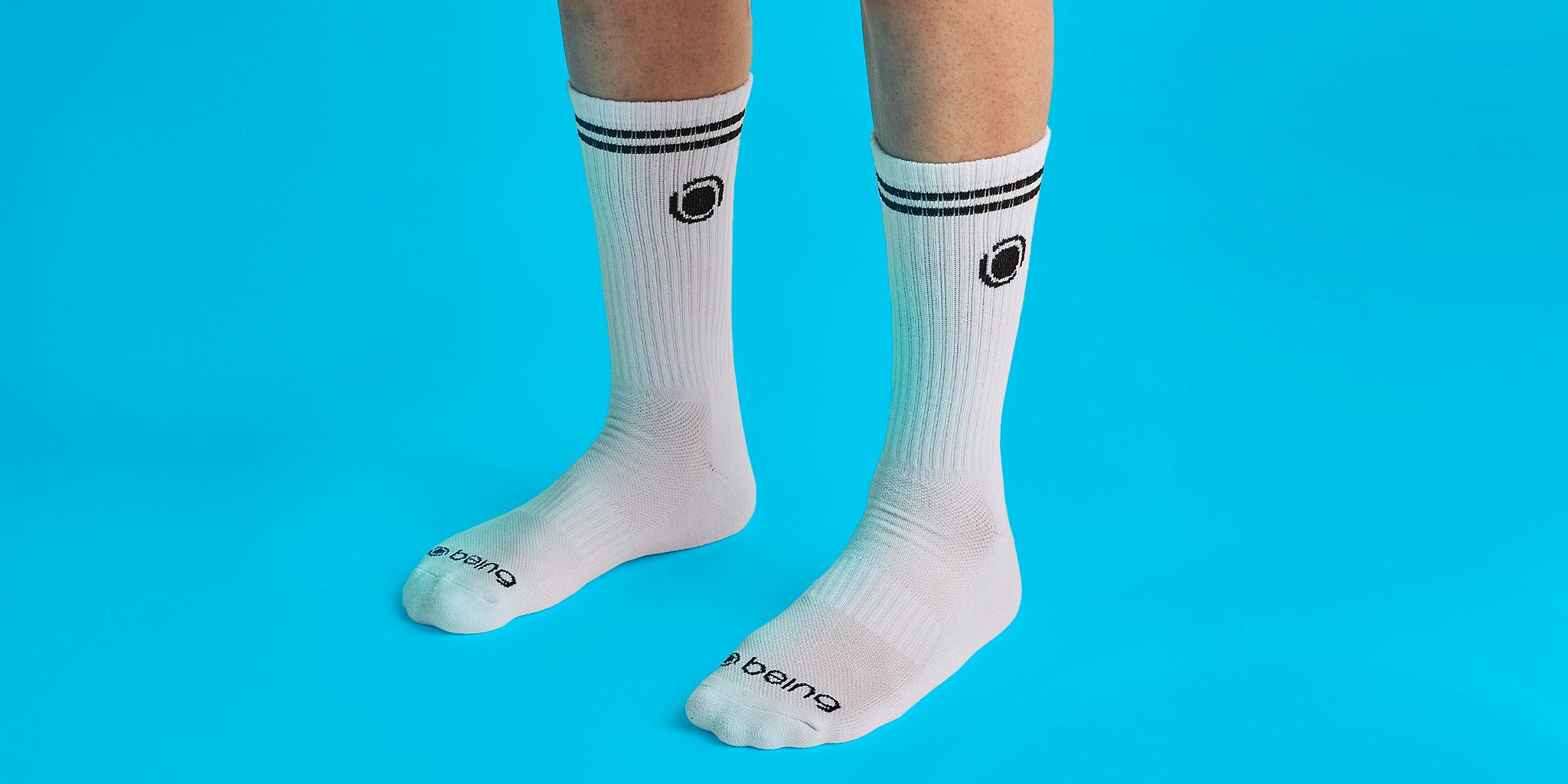
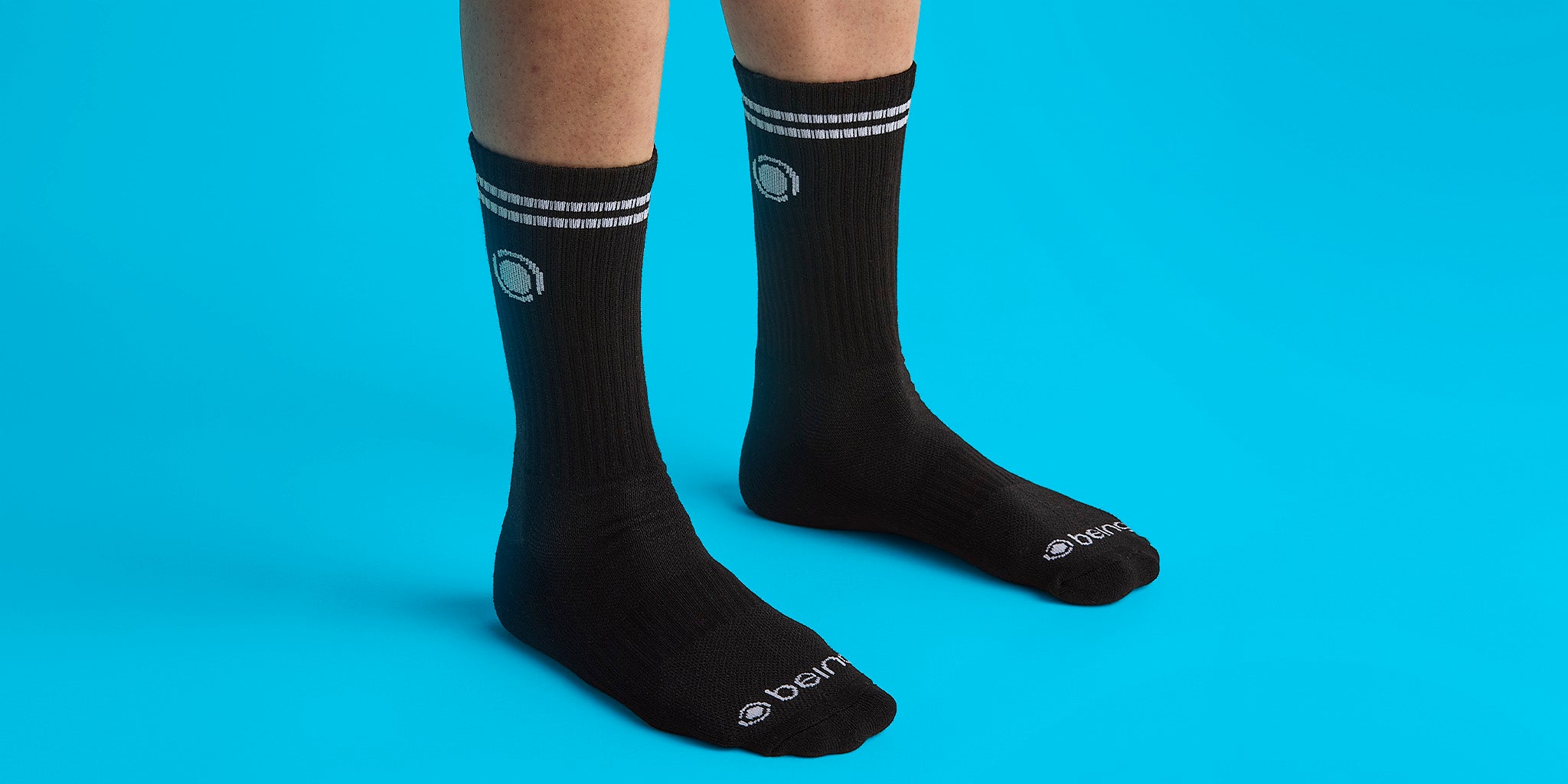
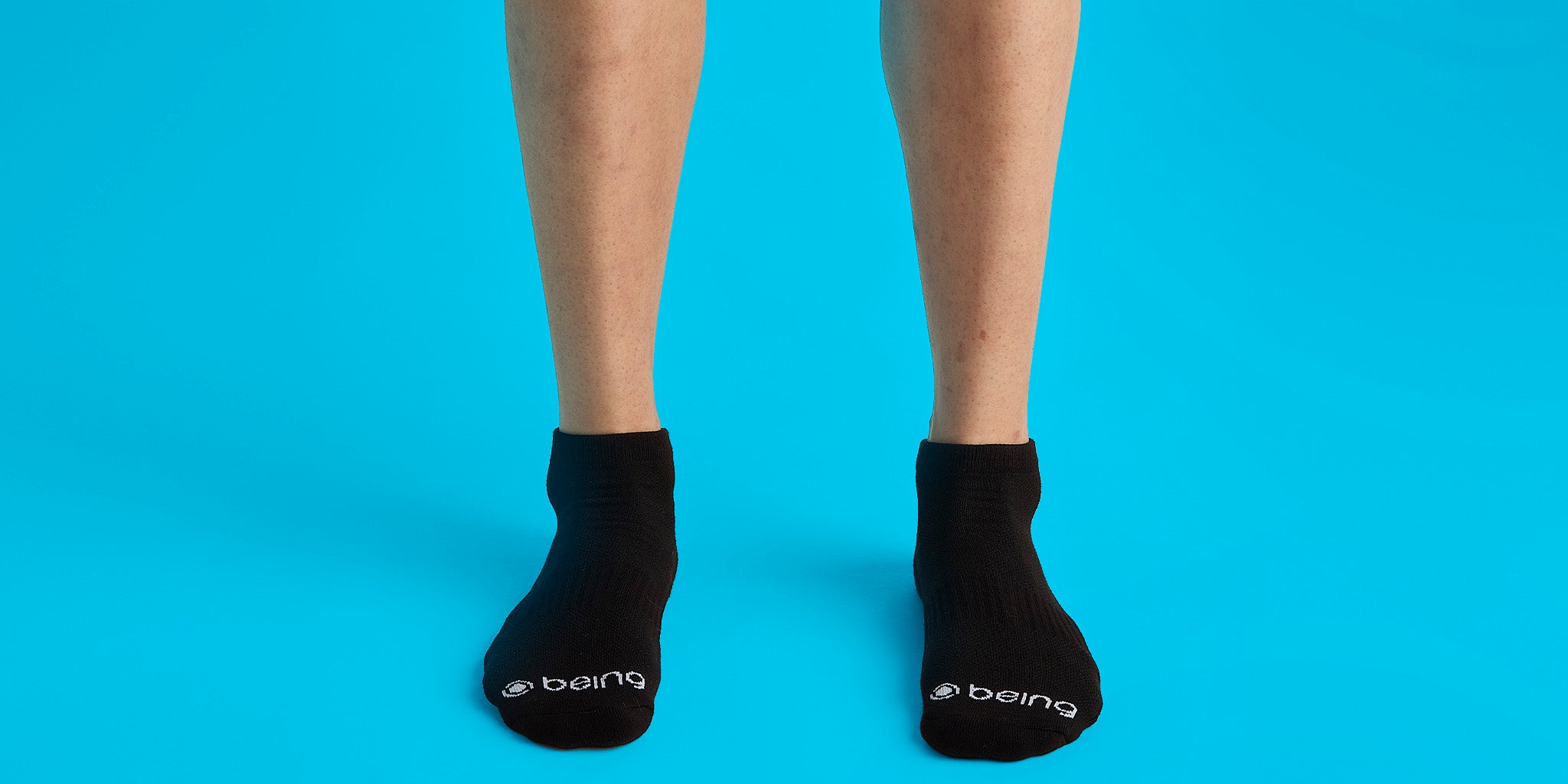
Here's a pattern we didn't expect to find in our first year.
People will take a real leap with us. They'll try a new brand they've never heard of. They'll try a cut they've never worn. They'll shop in a store with no men's or women's section, which for a lot of Australians is a genuinely new experience. And then, having done all of that, they'll add the exact colour they've bought for the last twenty years.
Black. Across every product we make, black overwhelmingly dominates. The colour that starts most people's Being Wear order is the colour that started their last order, and the one before that.
The psychology of the top drawer
We asked psychologist Nina Krivoshev of Disco Divergent Psychology (previously The Neurospicy Psychologist) why this happens. Her answer reframed the way we think about our own customers:
"When it comes to everyday essentials, people don't just buy products. They repeat patterns tied to comfort, familiarity and identity."
Underwear sits at the very centre of that. It's private, it's daily, and it's tied to how you feel in your own skin. So the patterns around it are some of the most stubborn we have. It shows up in bulk-buying the same pack every time. It shows up in sticking with one brand for a decade because switching feels like a risk. And it shows up in colour: the one variable that carries almost no functional cost to change, and yet almost nobody does.
You can only change so many things at once
The insight we've taken from this is simple. People have a budget for change, and it's smaller than we think. Trying a new brand spends some of it. A new cut spends more. A new way of shopping spends more again. By the time someone reaches the colour picker, the budget is gone, and black is the safe place to land.
That's not a failure of imagination. It's how people protect themselves when they're trying something new. Familiarity in one place makes room for risk in another.
What that means for anyone trying to change a habit
If you've ever wondered why you can't seem to shift a small routine, this is probably why. You're trying to change the whole thing at once. The pattern research suggests you'll do better changing one variable and keeping everything else exactly the same. New brand, same colour. New cut, same brand. Then, once that's normal, change the next thing.
It's also why we design the way we do. Every Being Wear piece is built around a consistent feel: the same modal fabric, the same flat seams, the same tagless finish, the same waistband. Once your body knows what to expect, trying a different style stops feeling like a gamble.
A small challenge
Next time you order, add one pair in a colour you've never bought. Just one. Keep everything else the same. We'd love to know how it goes, and whether it turns into the pair you reach for first.

 Check the label of your existing underwear

 Use the size you've ordered from other brands

 Measure your existing underwear

 Use a tape measure around your waist
